About Forged Automotive Components
FCMF Parts (Fabrication, Casting, Machining, Forging):
- Fabrication components in Carbon Steel / Stainless Steel
- Pressed components in Carbon Steel / Stainless Steel
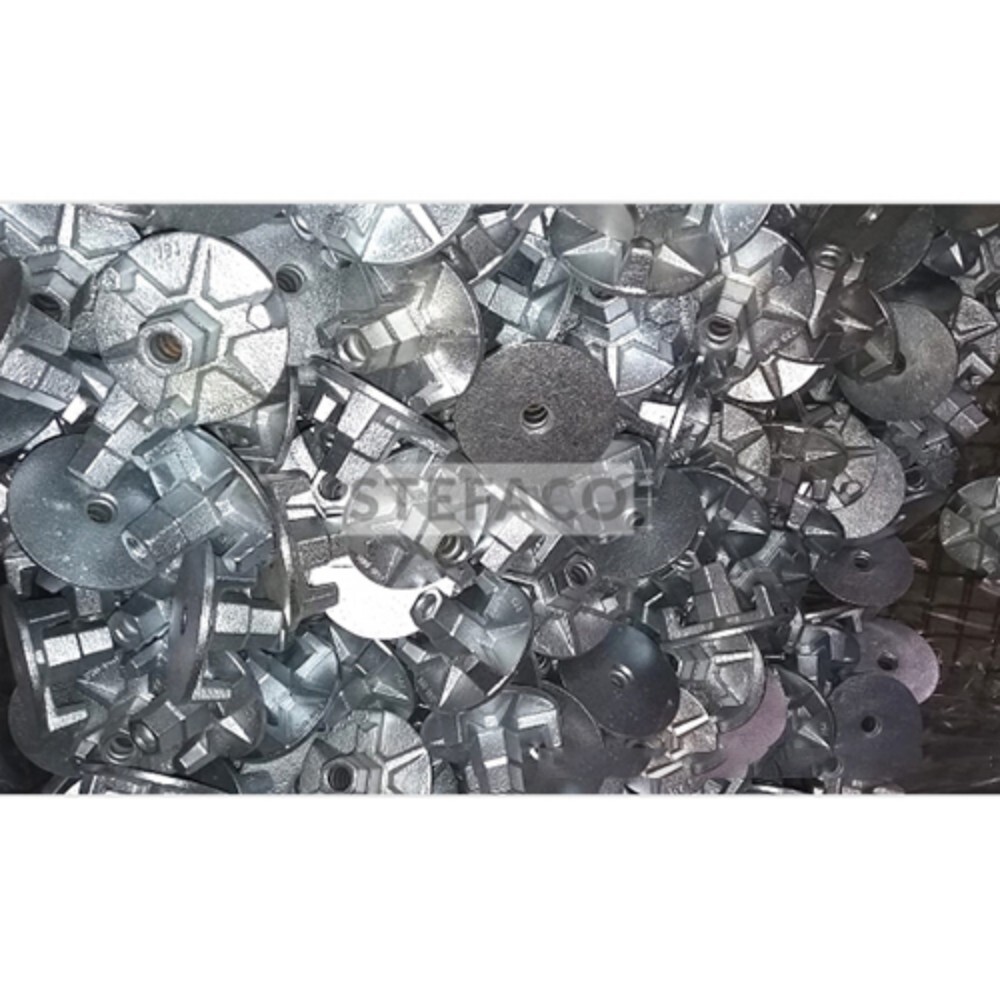
- Casting Components
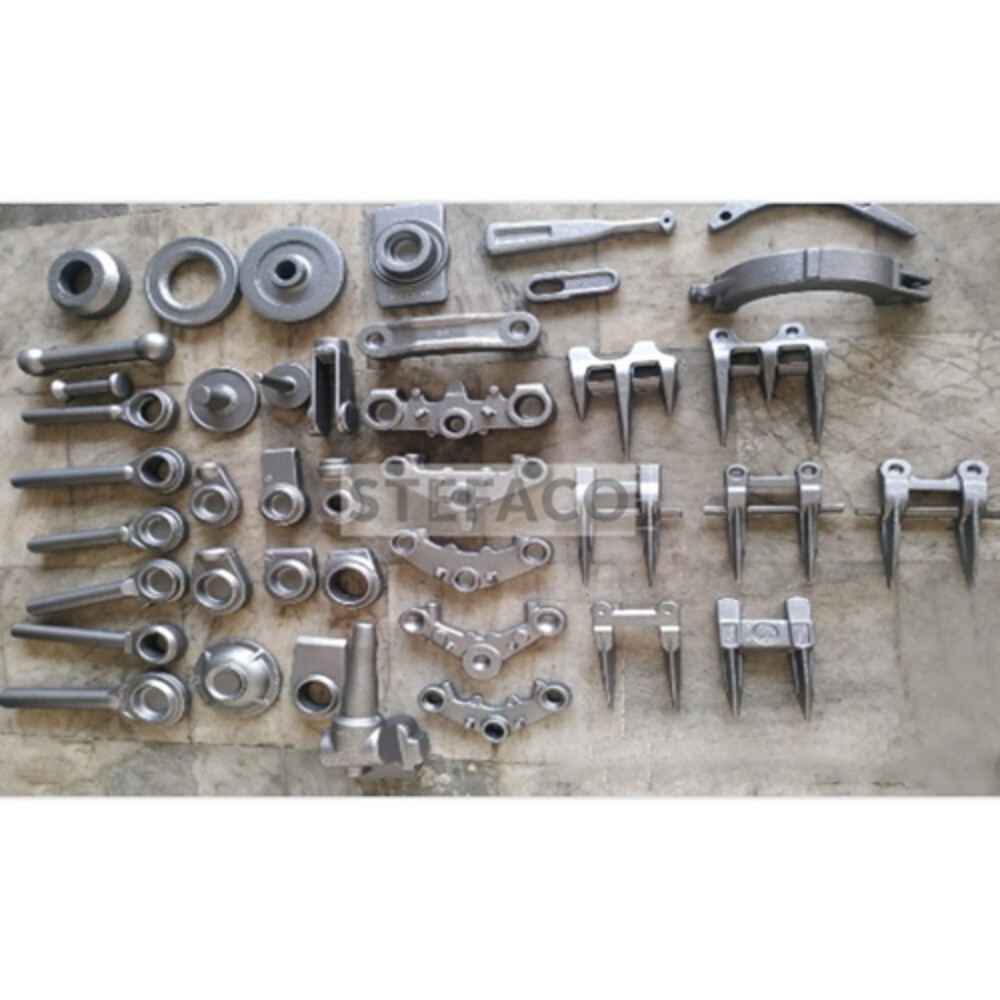
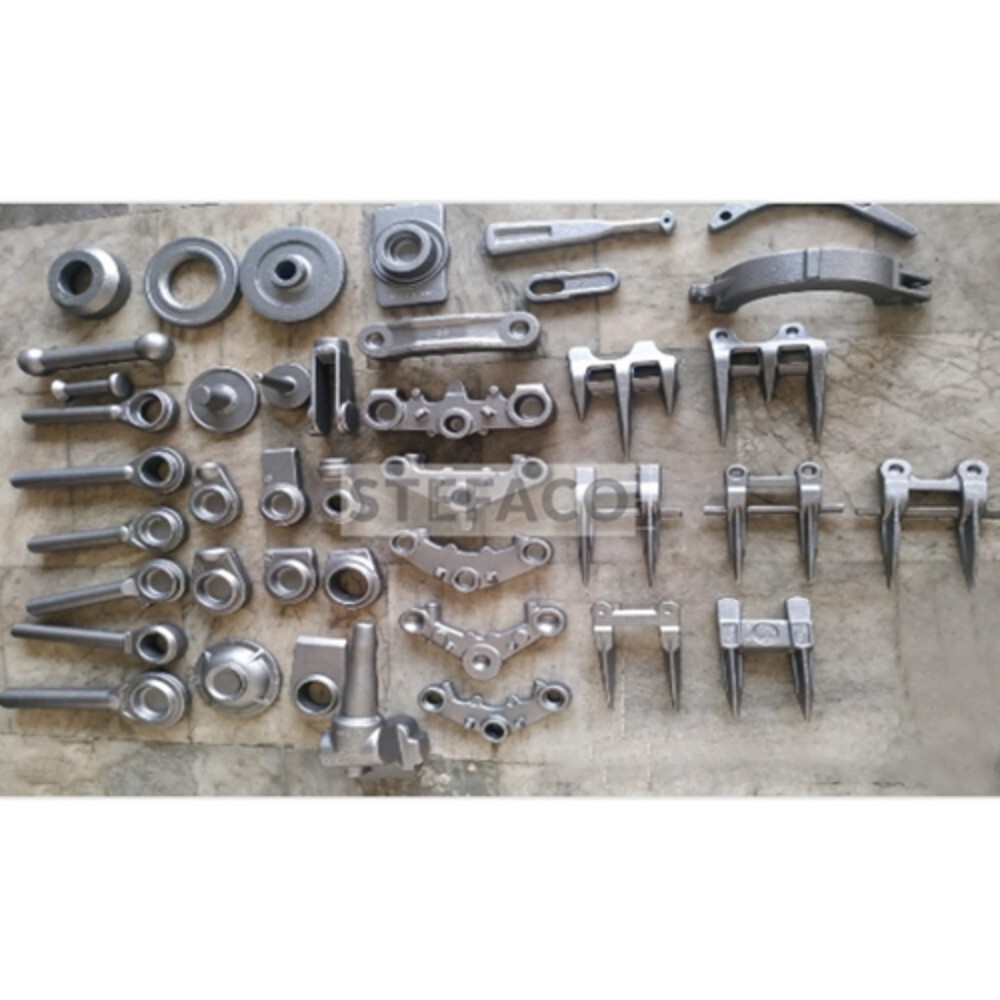
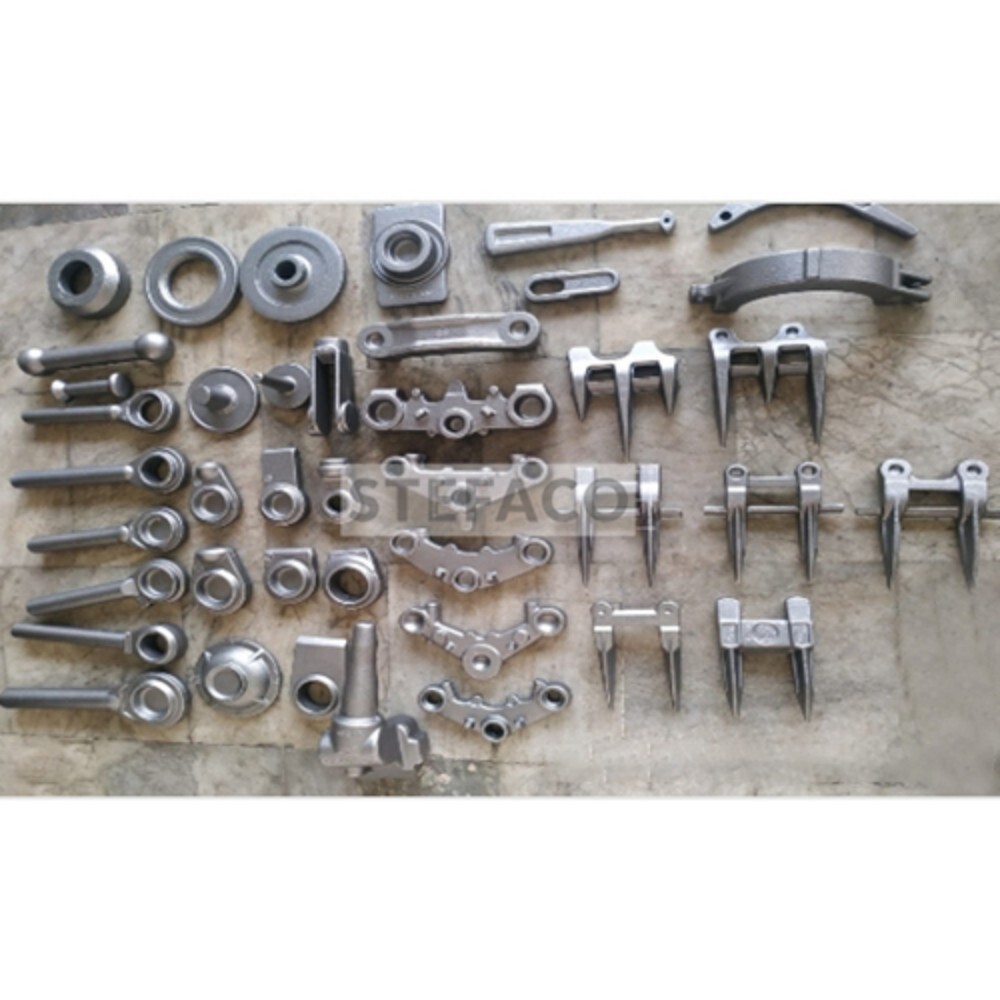
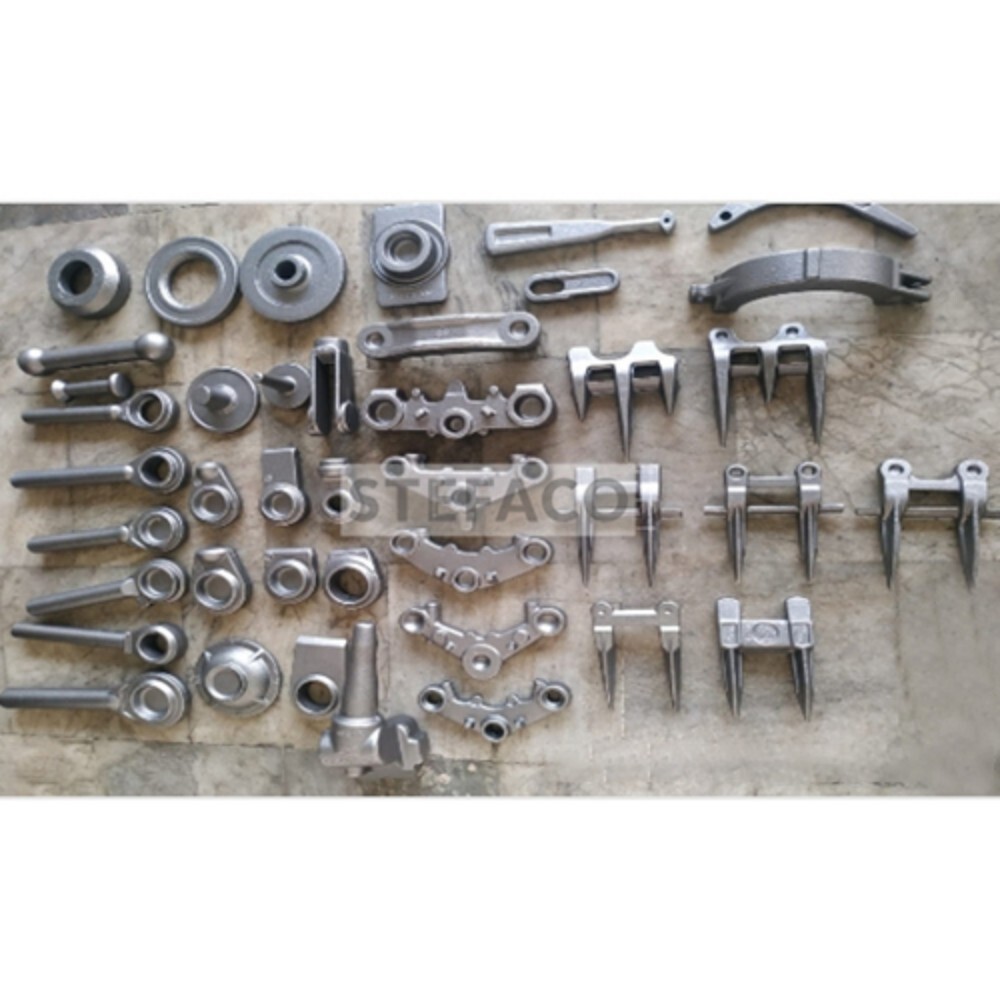
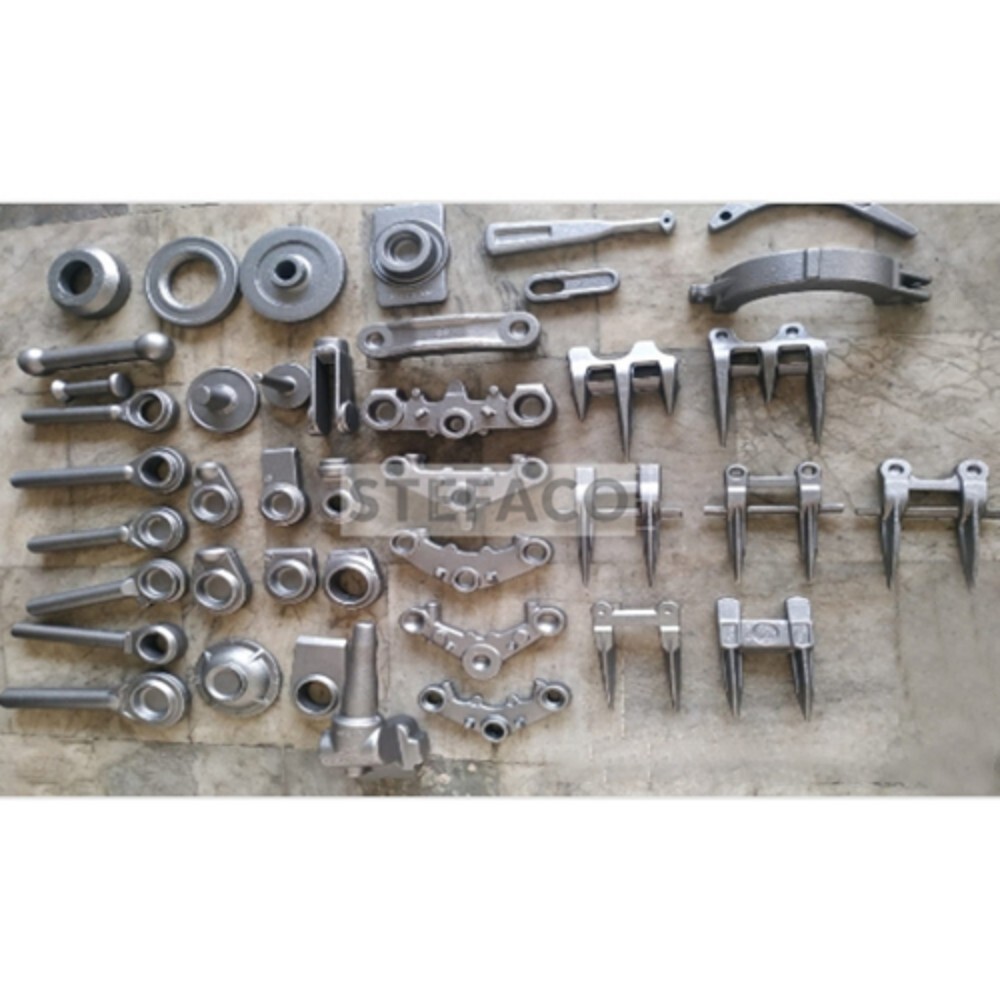
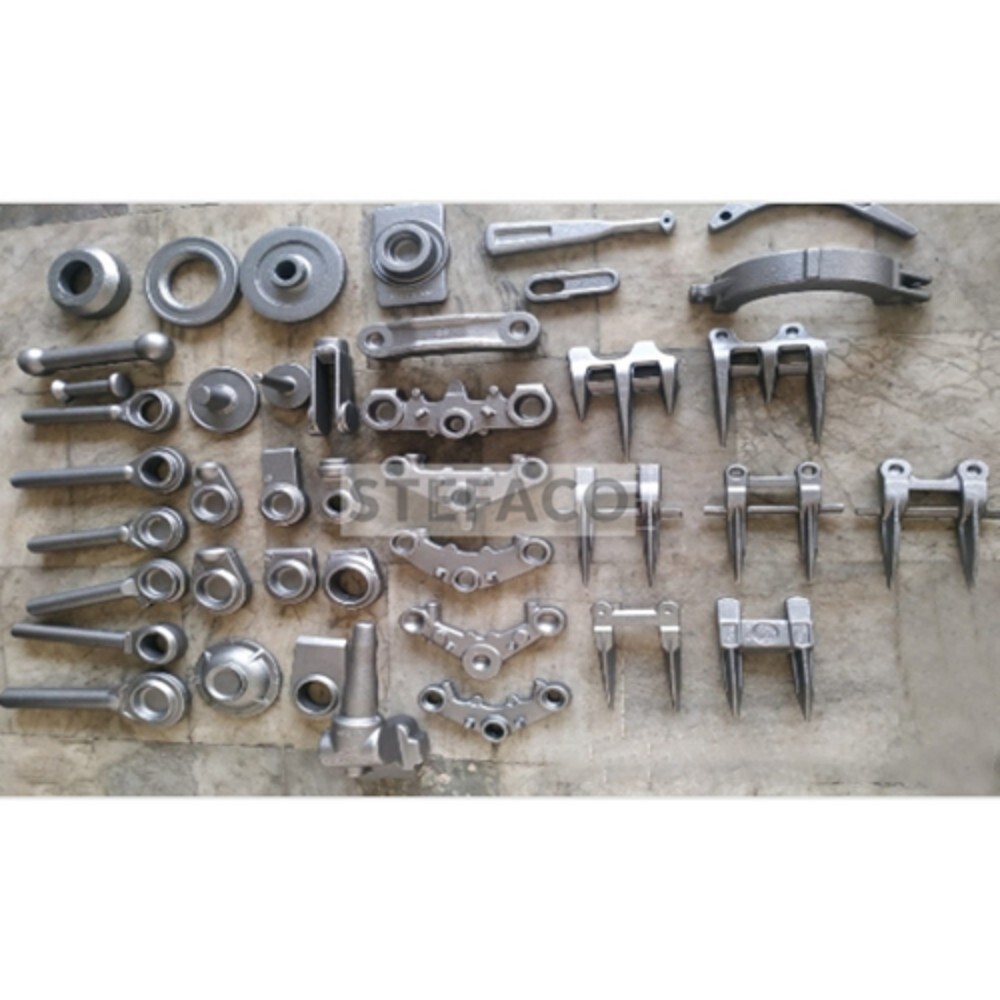
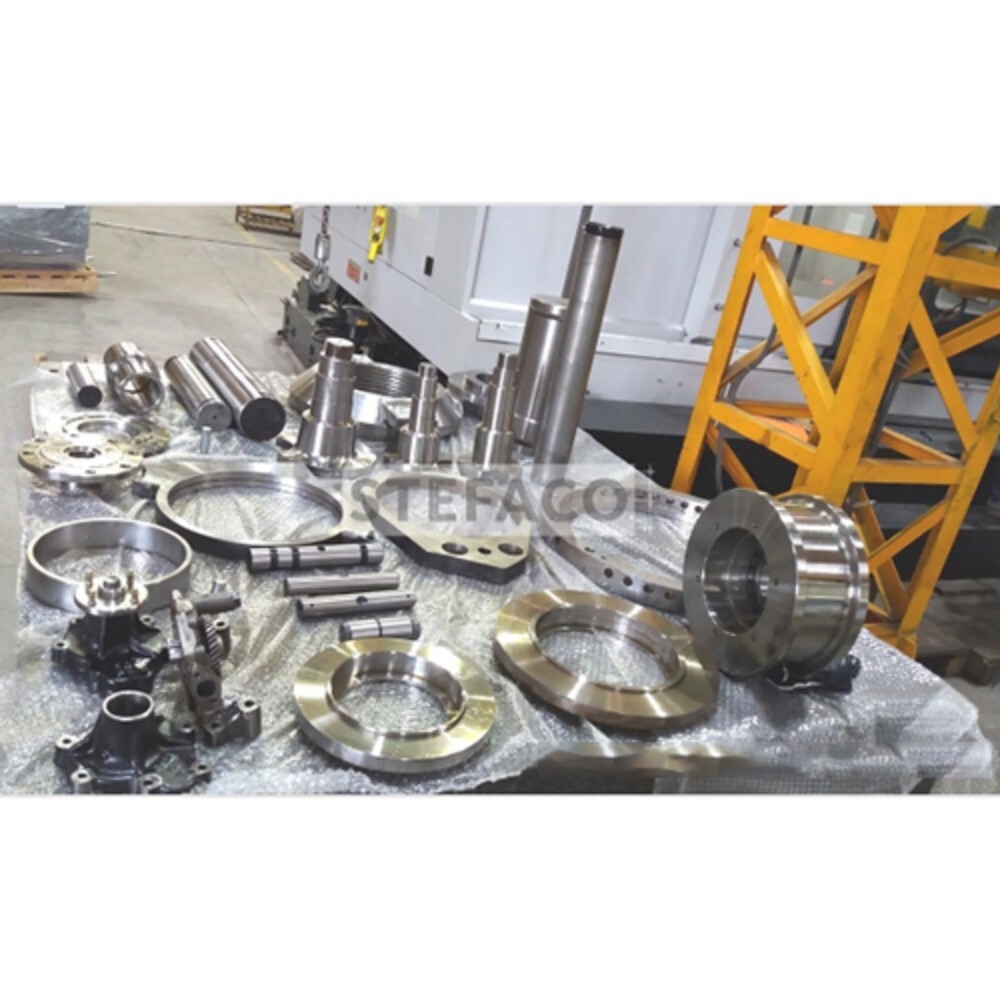
- Forged Components
- Machined Components (CNC/VMC)
- Laser Cutting Process
- Plasma Cutting Process
- Wire Cutting Process
- Hydraulic Press Bending Process upto 3m
- Deep Drawn Hyraulic Presswork upto 2500Ton
- Heavy Fabrication components
- Bright Bars
Precision Engineering and Standards ComplianceAll forged components are manufactured with exacting precision, holding tolerances of 0.05 mm or as specified by the client. Adherence to global standards such as ASTM, DIN, EN, and ISO ensures consistent quality and reliability, making these components suitable for demanding industries and environments.
Versatile Applications and CustomizationOur products are designed to accommodate a wide range of requirements, offering custom shapes and sizes to meet client-specific needs. With connection options including threaded, welded, or flanged designs, these components integrate seamlessly into automobiles, engineering projects, construction machinery, and industrial equipment.
Comprehensive Testing and CertificationEvery component undergoes thorough testing, including ultrasonic and magnetic particle inspections. Material traceability certificates are provided for full transparency. This rigorous approach guarantees reliable performance, safety, and compliance for critical applications across various sectors.
FAQ's of Forged Components:
Q: How are the tolerances for your forged components maintained during manufacturing?
A: Tolerances of 0.05 mm or as specified are achieved through advanced forging techniques, precision machining, and stringent quality control processes, ensuring each piece meets client and industry specifications.
Q: What materials are used in your forged components, and what standards do you follow?
A: We use carbon steel, alloy steel, and stainless steel depending on the application, and all components are produced according to ASTM, DIN, EN, and ISO standards for maximum reliability and performance.
Q: When should I choose heat treatments such as normalizing, quenching, or tempering for my components?
A: Heat treatments are recommended based on the desired mechanical properties, such as hardness, strength, and toughness. Our technical team can guide you in selecting the most suitable heat treatment based on your application's requirements.
Q: Where can your forged components be used?
A: Our products are widely employed across automobiles, engineering industries, construction machinery, and various types of industrial equipment due to their durability, customization options, and resistance to corrosion and wear.
Q: What testing and certifications do your forged components undergo before delivery?
A: Each component is subjected to ultrasonic and magnetic particle testing, and is supplied with a material traceability certificate to ensure quality, safety, and compliance with industry standards.
Q: How are your forged components packaged for export and delivery?
A: We use export-standard packaging methods-including wooden crates and pallets-to protect components from damage during transit, ensuring they arrive safely at their destination, no matter where you are located.
Q: What are the benefits of using your forged components in my project?
A: Our forged components offer superior strength, precision, corrosion and wear resistance, and are highly customizable. This makes them a cost-effective and reliable solution for demanding applications in various industrial sectors.

 Chat with us




 Send Inquiry


 Send Inquiry
 Send Inquiry
 Call Me Free